
Summary
Understanding personal care vs. home care helps families choose the right support setting for their loved one's needs, safety, and quality of life. Both options offer benefits, but they differ significantly in how support is delivered.
- Home care provides scheduled visits to a person's residence, while personal care offers support in a residential community with available team members throughout the day and night
- Personal care communities combine housing, meals, housekeeping, programs, and amenities in one place, reducing the need to coordinate multiple services
- Social connection is stronger in personal care settings, where residents share meals, programs, and common spaces rather than facing isolation between home care visits
- Personal care provides 24-hour support and peace of mind, with staff nearby for emergencies, medication reminders, and daily assistance
- Consider increasing support needs, isolation concerns, family coordination demands, and the true value of comprehensive services when deciding between options
Choosing support for an older loved one can feel complicated, especially when several options sound similar. Understanding personal care vs. home care can help families compare safety, daily support, social connection, and long-term value before making a decision.
Both options can be helpful. The right fit depends on how much support your loved one needs, how often they need it, and whether staying at home still supports their daily well-being.
Understanding the Difference Between Personal Care and Home Care
Home care brings scheduled support into a person’s private residence. A care provider may visit for a few hours a week, several hours a day, or longer shifts, depending on the plan. This can help someone remain in a familiar setting while receiving assistance with daily routines.
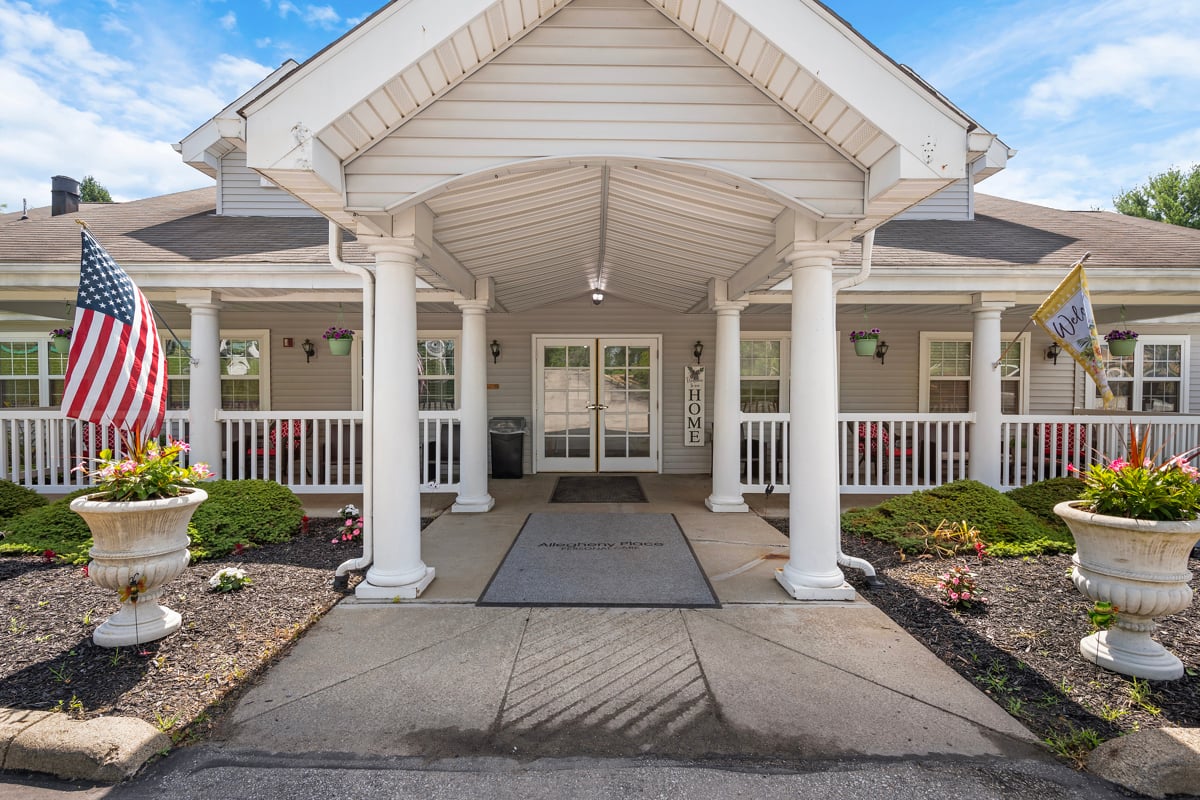
A personal care community offers support with Activities of Daily Living in a residential setting. At Allegheny Place in Pittsburgh’s Penn Hills area, Personal Care residents live in private apartment homes and have access to team members throughout the day and night. Our community also develops individual care plans, with a full-time nurse available 24 hours a day for clinical oversight and coordination of care.
The main difference between personal care and home care comes down to setting, consistency, and connection. Key differences to keep in mind include:
- Home care is scheduled around specific visits.
- Personal care offers support in a community setting.
- Home care often requires families to coordinate multiple services.
- Personal care brings housing, meals, support, programs, and amenities together in one place.
For families comparing senior care options, that difference can shape everything from daily routines to peace of mind.
Home Health vs. Personal Care Community Support
It is also helpful to understand home health vs. personal care in terms of community support. Home health is typically more medical in nature and may involve skilled services after an illness, surgery, or hospital stay. Home care, on the other hand, often focuses on non-medical help with daily tasks.
Personal care is different because it supports day-to-day living in a residential community. Residents may receive help with bathing, dressing, medication reminders, dining, and other daily needs while also enjoying programs, meals, and shared spaces.
At Allegheny Place, that support is part of a broader community experience. Residents can choose from suite and one-bedroom apartment homes with features such as heating and air conditioning, window treatments, generous closet and storage space, kitchenettes, and refrigerator/freezers.
Services and Daily Support: Comparing Your Options
Home care can be a practical choice when someone needs limited support at home. A care provider may help with personal routines, meal preparation, light housekeeping, or transportation during scheduled visits.
As needs grow, families may find themselves managing several moving parts. They may need to coordinate home care, home health, meal delivery, household maintenance, transportation, and family check-ins.
Personal care community benefits often include a more connected approach:
- Individualized support with daily routines.
- Three daily meals and shared dining opportunities.
- Weekly housekeeping and laundry services.
- Community programs, outings, and wellness opportunities.
- Help with scheduling transportation.
- Apartment maintenance and everyday conveniences.
At Allegheny Place, residents can also enjoy amenities such as lounges, outdoor spaces, a hair salon, and community outings. These details can make daily life feel more comfortable, familiar, and easier to manage.
Why Social Connection Matters
One of the biggest challenges with home care is that support may only happen during scheduled visits. Even with a kind care provider and an involved family, long hours alone can still lead to isolation.
A personal care community is built for regular connection. Residents can share meals, join programs, relax in common areas, or spend time outdoors with neighbors. At Allegheny Place, programs may include card and board games, bingo, arts and crafts, knitting, and outdoor cookouts.
That kind of daily rhythm can help an older adult feel known and included. For many families asking, “Is personal care better than home care?” the answer often depends on whether their loved one needs more than task-based support. If isolation, missed meals, or limited social interaction are concerns, a community setting may offer meaningful benefits.
Safety and Peace of Mind
Home care can provide helpful support, but there may still be long periods when no one is present. Families may worry about falls, missed medications, confusion, emergencies, or changes in health that happen between visits.
In a personal care community, support is nearby throughout the day and night. At Allegheny Place, team members are available around the clock, and the community includes safety-minded features such as illuminated apartment entryways, smoke detectors, and a sprinkler system throughout.
Families may want to consider:
- How often their loved one is alone.
- Whether daily tasks are becoming harder to manage.
- If meals, medications, or personal routines are being missed.
- How quickly help would be available in an emergency.
- Whether family members are feeling stretched.
These questions can help clarify whether home care still meets the need or whether a personal care community may provide better day-to-day support.
Understanding the True Value
When comparing senior care options, cost is only one part of the decision. Home care may start as a lower-cost option when support needs are limited. Over time, costs can rise as more hours are added or additional services become necessary.
Families may also need to factor in home maintenance, meal delivery, transportation, safety modifications, emergency alert systems, and ongoing family coordination.
Personal care offers a more comprehensive setting. At Allegheny Place, residents have access to apartment homes, meals, housekeeping, laundry, maintenance, programs, transportation scheduling support, and shared community amenities.
That does not mean one option is always better. It means the value should be measured by the full picture, including:
- The amount of support needed each day.
- The cost of increasing home care hours.
- The time family members spend coordinating services.
- The value of prepared meals, along with housekeeping, laundry, and maintenance services.
- The importance of social connection and quick access to support.
For families comparing personal care vs, home care, the best choice is the one that supports both practical needs and quality of life.
Making the Right Choice for Your Family
The right decision depends on your loved one’s preferences, support needs, and current home environment. Home care may work well for someone who needs limited help and feels safe and connected at home. Personal care may be a better fit when support needs are increasing, isolation is a concern, or families want a more consistent setting.
Visiting a community can make the decision clearer. A tour gives families a chance to see the apartment homes, dining spaces, programs, and daily atmosphere in person. It also allows you to ask questions about care plans, team member availability, and how support can change as needs evolve.
For families in Pittsburgh and Penn Hills, Allegheny Place offers a familiar, neighborly setting where residents can receive support, build connections, and feel more at home in their next chapter.
Schedule a personalized tour of Allegheny Place to compare your options and see whether Personal Care is the right fit for your family.